Reduce Guest-List No-Shows: A Door Check-In That Works
Good guest list management starts at the door: a list only works if the door knows who's on it. Here's how to cut no-shows with code words, real tickets and a spot earned with a posted story.
Published · 4 min read · Updated

Guest list management falls apart in the gap between the list and the door. Sixty names on the list, twenty-five turn up, and someone at the door insists they were supposed to be on it too. That costs you space, patience and, at worst, paying guests stuck outside.
A guest list only works when two things are true: the people on it have a reason to come, and the door knows exactly who they are. This post covers both.
Why people don't show
No-shows aren't a character flaw. They follow from how easy the spot was to get. Someone who got on the list with one DM loses nothing by staying home.
The usual reasons:
- Nothing at stake. The spot cost nothing, neither money nor effort.
- Said yes too early. Sign up three weeks ahead and you often have other plans by the night.
- Unclear rules. Until what time does the list count? How many plus-ones? People who don't know go somewhere they're sure of.
The takeaway: make the spot more binding. Not more expensive, but earned. For the bigger picture on using the guest list as a tool, read guest list marketing.
Lists at the door
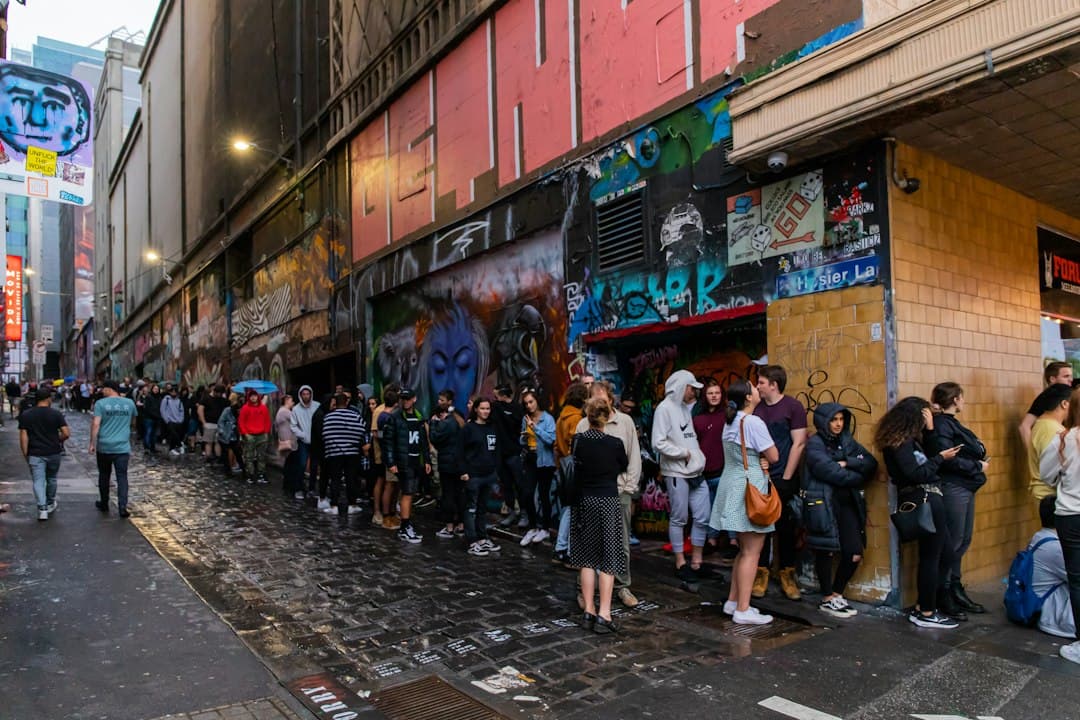
The best list is useless if the door can't read it. A few rules that make every night easier:
- One list, not five. When every DJ, every promoter and the booker bring their own list, nobody knows who's really on it. Merge everything before doors open.
- One person on the list. Whoever runs the guest list doesn't take cash or check bags.
- A time limit. Guest list until 12:30am, regular entry after that. The limit goes in the confirmation, not just on a sign at the door.
- Clear numbers. Every entry says how many people it covers.
The time limit works twice: people arrive earlier, and past a set hour you know how much room you have left.
Code words
Names on a list go wrong: misspelled, a nickname instead of a real name, the same person twice. Code words fix that. Instead of being looked up by name, the guest gives a code that belongs to exactly one spot.
On Parmo it works like this: a promoter whose story is verified gets their reward, such as a guest-list spot, as a two-word code like AMBER-FALCON in the app. On the event page, "Copy all" gives you the full list for a printout. Under Event → Door you search by name or code and tap "Check in"; the counter shows how many are in. Each code checks in once. The door: code words and check-in has the details.
The real lever against no-shows isn't the code, though, it's how the spot was earned. It belongs to someone who posted a story for your night that stayed online and was checked. Someone who did that has already committed.
Real tickets
Some doors would rather run on a scanner and nothing else. Then you hand out a real ticket instead of a list spot. On Parmo you pick "Real tickets" instead of code words in the reward step: each promoter gets a ticket file by email once their last story is verified. You upload the files under Event → Tickets or forward your ticket provider's email.
A ticket feels more binding than a name on a list, and your door doesn't have to learn anything new.
Plus-ones
Plus-ones cause more arguments at the door than anything else. The rule has to be set beforehand, not negotiated on the night:
- Plus-ones go in the confirmation. "You plus one" or "just you", nothing in between.
- The guest arrives with their plus-one. Sending them along later makes the list unreadable.
- Plus-ones are a reward, not a default. Bring more, get more.
On Parmo a VIP reward can include extra standard tickets for plus-ones, so the number is fixed before anyone reaches the door.
After the night
Tonight's list is your most useful data for the next one. Look at who checked in and who didn't. Anyone who no-showed twice doesn't go back on the list by default. Anyone who turns up reliably and brings people gets more next time. On Parmo you save the promoters who delivered as a group and invite them to the next event in one click.
Frequently asked questions
How do I manage a guest list at the door?
One merged list, one person who does nothing but run it, a time limit, and a clear head count per entry. Codes instead of names make lookups faster and stop mix-ups.
What are code words?
A short code a guest gives at the door instead of being looked up by name. On Parmo every promoter with a verified story gets a two-word code that can be checked in once.
Should guest-list spots have a time limit?
Yes. A limit that's already in the confirmation gets people in earlier and tells you, from a fixed hour, how much room is left.
Run your next event on Parmo
Parmo is free for organizers: no subscription, €0 per event. Verified promoters post stories about your night, and you get a finished guest list for the door.
Start free