How to Measure Event Marketing: Reach, Story Views and Turnout
Which event marketing metrics tell you the room will be full? Not followers, but story views and guests at the door. Here's how to separate vanity numbers from the ones that matter.
Published · 4 min read · Updated

The event marketing metric that matters most is the one you count at the door: how many people actually came. Everything before that is a predictor, and some numbers predict far better than others. Follower counts feel good but say very little about whether anyone shows up on Saturday.
So if you want to measure how an event did, you don't need more numbers. You need the right ones, and a fixed moment to read them. Here's what counts.
Reach vs story views vs guests at the door
Three numbers that often get mixed up:
- Reach is the number of unique accounts that saw a story. It tells you how wide you spread.
- Story views count every view, repeats included. They tell you how often your night was actually on a screen.
- Guests at the door are the result. Everything else exists to predict this number.
In between sit numbers that feel like success but predict little: likes on the feed post, profile visits, flyers shared without a link. They aren't worthless, but they don't belong on the first line of your review. The question is always: did this number have anything to do with a full room last time? If not, watch it, but don't steer by it.
Followers are left off this list on purpose. An account with a big following whose stories barely anyone watches does nothing for you. Bought or inactive followers inflate the number further; how to spot fake followers shows you what to look for.
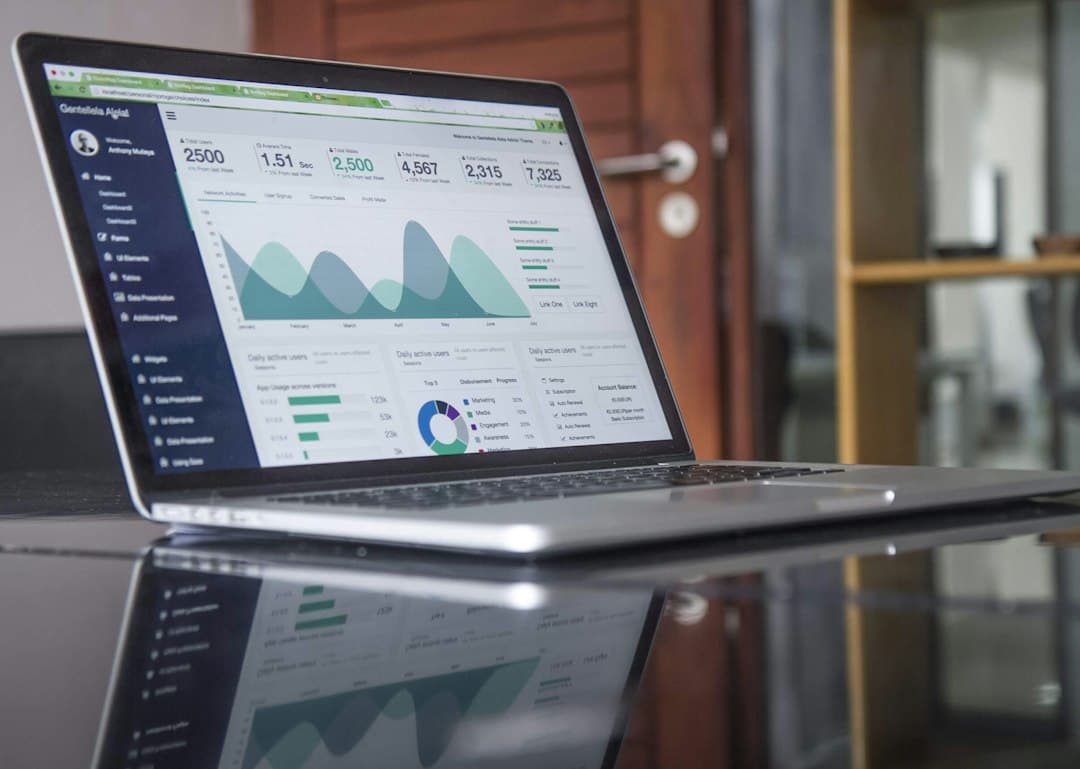
On Parmo the dashboard shows accounts reached, story views and cost per 1,000 views for each event. The numbers come from Instagram Insights on each verified story, not from screenshots.
CPM as a comparison
CPM means cost per 1,000 views. It makes channels comparable that otherwise have nothing in common: paid ads, flyers, promoter stories.
For promoters on Parmo, the dashboard sets the value of your reward against the views. So if you hand out guest-list spots or drink balances, you see what 1,000 views through promoters cost you, and you can put that next to the CPM of your ads.
One caveat: CPM is a comparison, not a verdict. A low CPM among people who'd never go to your club is worse than a higher one among people from the scene. Use it to compare your own events with each other.
What to track per promoter
Per promoter, three things count: did the story go up at all, did it stay up, and how many people saw it. A story deleted after an hour never reached the people deciding that evening.
On Parmo the dashboard sorts every story into one of four buckets: Verified (stayed online for the full window), Still checking, Taken down early and Never posted. On the event page there's also a leaderboard of promoters by views and a crew table you can filter by owed, posted or silent, including whether someone ever opened the brief. Reading your stats covers it in detail.
Which promoter brought how many guests can't be read reliably from stories alone. Two practical ways: give each promoter their own ticket link or discount code in your ticket shop, or ask at the door. Combined with views per promoter, that gives you a usable picture.
Reading it after the night
Set a fixed moment to review, ideally the week after the event, once every story window has closed. Then go through it in this order:
- Guests at the door against tickets sold and the guest list. How many actually came?
- Story views and reach against the last event. Up or down?
- Per promoter: who posted, who didn't, who had the most views?
- CPM against your other channels.
That turns into concrete decisions: who you invite again, which dates you move in the brief, whether the reward fits. No-shows on the list belong in the review too; see how to reduce guest-list no-shows.
Frequently asked questions
What is a good story view rate?
It depends heavily on the scene, the city and the account, so there's no single number that holds for everyone. Compare against your own past events: if the rate climbs from night to night, you're on the right track.
How do I know which promoter brought guests?
Views per promoter show you who got seen. To know who actually brought guests, the most reliable way is a separate ticket link or code per promoter in your ticket shop, or asking at the door.
What is CPM?
Cost per 1,000 views. You divide what something cost you by its views and scale to 1,000. On Parmo it's the value of your reward divided by story views.
Run your next event on Parmo
Parmo is free for organizers: no subscription, €0 per event. Verified promoters post stories about your night, and you see reach and views live.
Start free